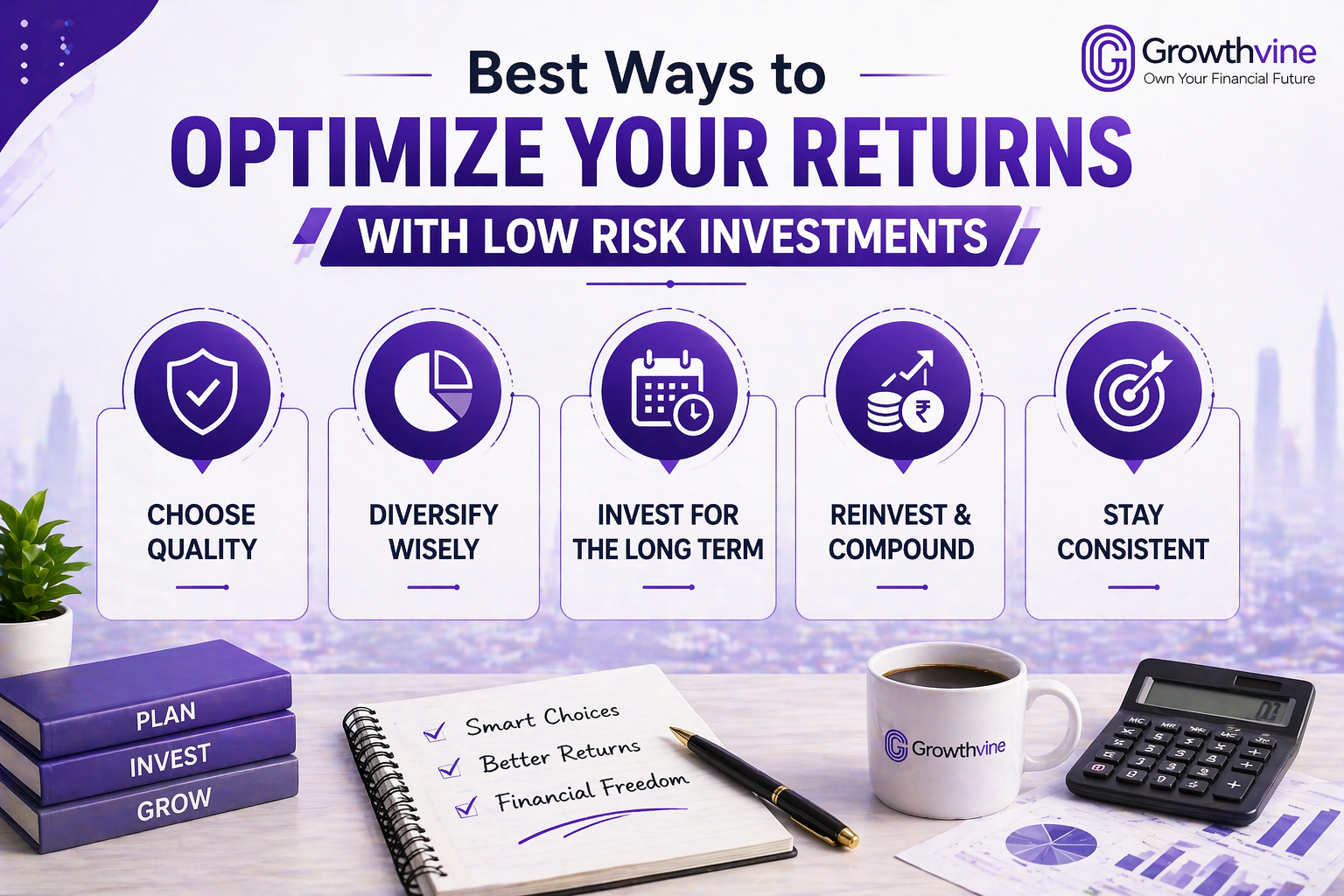
When it comes to investing, one common goal unites everyone: earning good returns without taking high risks. Whether you are a beginner or a seasoned investor, finding the right balance between safety and growth is crucial. This is where smart strategies—and guidance from a trusted investment advisor or financial advisor—can make all the difference.
Why Low-Risk Investments Matter
Low-risk investments are ideal for:
- Conservative investors
- Individuals nearing retirement
- People looking for stable income
- Beginners entering the investment world
While they may not offer extremely high returns, they provide consistency, capital protection, and peace of mind—which are equally important.
1. Diversify Your Investment Portfolio
The first rule of smart investing is diversification.
Instead of putting all your money in one place, spread it across:
- Fixed deposits
- Bonds
- Mutual funds
- Gold or ETFs
This reduces the overall risk and ensures that even if one investment underperforms, others can balance it out. A skilled financial advisor can help you create a well-diversified portfolio tailored to your goals.
2. Invest in High-Quality Debt Instruments
Debt instruments are among the safest investment options. These include:
- Government bonds
- Corporate bonds
- Fixed-income securities
They offer predictable returns with low volatility, making them a strong foundation for any low-risk portfolio. Choosing the right instruments with the help of an investment advisor ensures better returns without unnecessary exposure to risk.
3. Use Systematic Investment Plans (SIPs)
SIPs allow you to invest a fixed amount regularly in mutual funds. This approach helps:
- Reduce market timing risk
- Benefit from rupee cost averaging
- Build wealth gradually
Even in low-risk or balanced funds, SIPs can generate stable long-term returns while minimizing fluctuations.
4. Focus on Blue-Chip Stocks
If you want some exposure to equity without high risk, consider blue-chip stocks. These are shares of well-established companies with:
- Strong financial performance
- Stable growth
- Regular dividends
Although equities carry some risk, blue-chip stocks are relatively safer and can enhance your portfolio returns over time.
5. Allocate Funds to Hybrid Mutual Funds
Hybrid funds combine equity and debt, offering the best of both worlds:
- Growth potential from equities
- Stability from debt
They are ideal for investors who want moderate returns with controlled risk. A knowledgeable financial advisor can help you choose the right hybrid funds based on your risk appetite.
6. Keep an Emergency Fund
Before investing, ensure you have an emergency fund covering 3–6 months of expenses. This prevents you from:
- Withdrawing investments during market downturns
- Facing financial stress
This simple step indirectly helps in optimizing returns by allowing your investments to grow uninterrupted.
7. Rebalance Your Portfolio Regularly
Markets change, and so should your investment allocation. Regular rebalancing helps:
- Maintain your desired risk level
- Lock in profits
- Avoid overexposure to any asset
A professional investment advisor can monitor your portfolio and make timely adjustments to keep it aligned with your goals.
8. Avoid Emotional Investing
One of the biggest risks in investing is emotional decision-making. Fear during market falls and greed during rallies can lead to poor choices.
Stick to a disciplined strategy and trust your plan. Consulting a financial advisor can help you stay focused and avoid costly mistakes.
9. Consider Tax-Efficient Investments
Optimizing returns is not just about earning more—it’s also about saving more.
Invest in tax-saving instruments like:
- ELSS (Equity Linked Savings Scheme)
- PPF (Public Provident Fund)
- Tax-saving FDs
These options provide safe returns along with tax benefits, improving your overall gains.
Growthvine’s Approach to Low-Risk Investing
At Growthvine, we understand that every investor is different. Our approach focuses on:
- Personalized investment strategies
- Risk assessment and goal alignment
- Smart diversification and asset allocation
- Continuous monitoring and optimization
We believe that low-risk investing doesn’t mean low returns—it means smart, consistent, and sustainable growth.
Final thoughts
Optimizing returns with low-risk investments is not about avoiding risk completely—it’s about managing it wisely. With the right mix of assets, disciplined investing, and expert guidance, you can achieve your financial goals without unnecessary stress.
Whether you’re just starting or looking to refine your strategy, partnering with a trusted financial advisor like Growthvine can help you make informed decisions and grow your wealth confidently.
Start investing smartly today—and let your money work for you, safely and steadily.

CFA-certified investment advisor with 15+ years of experience at Morgan Stanley, BofA Merrill Lynch, and Fidelity. SEBI-registered advisor (INA000018665).