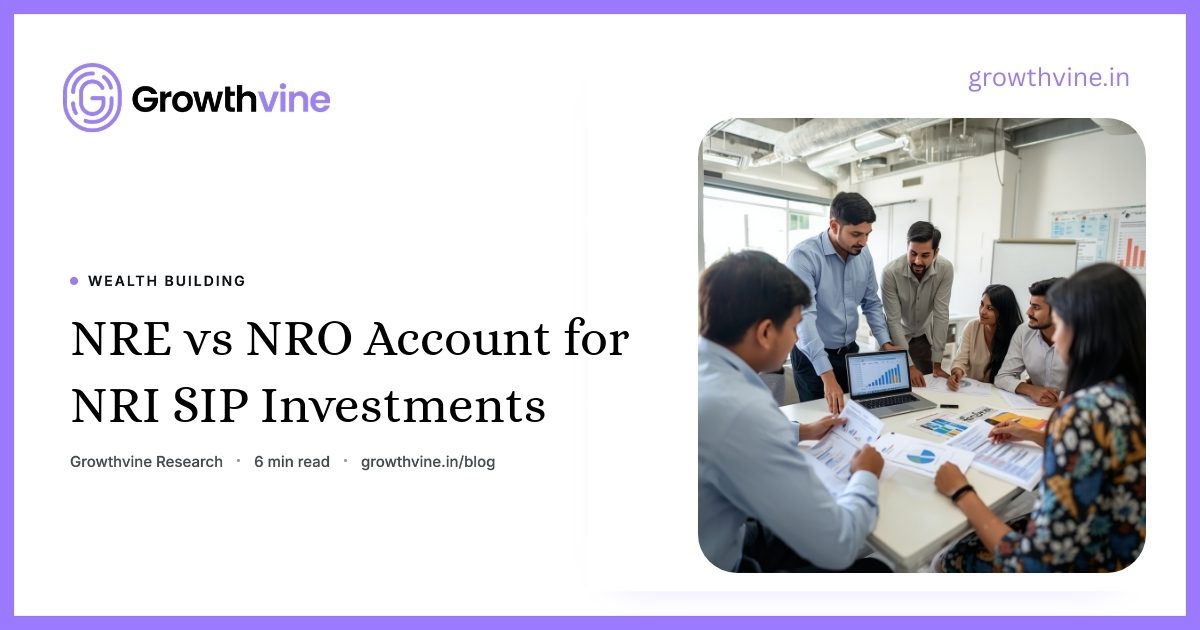

Choosing the right financial advisor in India can feel overwhelming, especially if you are new to investing or looking to move beyond basic savings. Imagine Ramesh, a salaried professional planning to buy a home in seven years. He wants to invest wisely but is unsure how to pick an advisor who truly understands his goals and risk tolerance. This is a common situation where knowing how to choose the right financial advisor becomes crucial.
Understanding Your Needs Before Selecting an Advisor
First, clarify your financial goals and investment horizon. Are you saving for a child’s education, retirement, or a property? Each goal requires a different approach. For example, a seven-year horizon for a home down payment might call for a balanced mix of equity and debt mutual funds to manage risk and growth. A good advisor starts by understanding your unique situation rather than pushing products. Ramesh, for instance, should discuss his expected home price, current savings, and income growth potential with his advisor to create a tailored investment strategy.
Next, consider your risk appetite. Some investors prefer steady, lower-risk returns, while others can tolerate market ups and downs for higher potential gains. Mutual funds offer categories like equity, debt, and hybrid funds to suit these profiles. Specialized Investment Funds (SIFs) provide more sophisticated strategies but require a higher minimum investment, typically Rs 10 lakh, and suit mass-affluent investors seeking tailored solutions. For example, if Ramesh is comfortable with some market volatility, his advisor might suggest a higher allocation to equity mutual funds to capitalize on potential market growth.
What to Look for in a Financial Advisor in India
Regulation and credentials matter. Ensure the advisor is an AMFI Registered Mutual Fund Distributor (ARN) and, if offering advisory services, holds SEBI Registered Investment Adviser (RIA) credentials. This ensures they follow regulatory guidelines and ethical standards. An advisor with these credentials is more likely to prioritize your interests and provide sound advice.
Transparency is key. A trustworthy advisor explains how they earn fees—whether through commissions from product providers or advisory charges—and clarifies that your investments remain in your name with the fund houses, not with the advisor. This protects your ownership and control. For instance, if Ramesh invests in mutual funds through his advisor, he should ensure that the advisor is upfront about any commissions they receive and how that might influence their recommendations.
Look for an advisor who offers goal-based financial planning rather than just selling funds. They should help you build a diversified portfolio aligned with your goals, periodically review it, and suggest rebalancing as needed. For example, if your equity allocation grows beyond your comfort due to market gains, a good advisor will recommend adjustments to maintain your risk profile. Ramesh’s advisor should regularly check in with him to reassess his financial situation and make necessary changes to his investment strategy.
How Mutual Funds and SIFs Fit Into Your Investment Journey
Mutual funds are the most accessible investment vehicle for most Indian investors. With SIPs starting as low as Rs 500, they allow disciplined investing across various asset classes. A well-researched mutual fund portfolio can help you meet goals like retirement or education by balancing growth and risk. For example, if Ramesh starts a SIP of Rs 5,000 in a diversified equity mutual fund, he could potentially accumulate a significant corpus over seven years, depending on market conditions.
SIFs, on the other hand, cater to investors with at least Rs 10 lakh to invest. They offer more flexible strategies than mutual funds, including long-short approaches within SEBI limits, providing a middle ground between mutual funds and Portfolio Management Services (PMS). If your financial advisor suggests SIFs, they should clearly explain how these fit your goals and risk tolerance compared to mutual funds. For instance, if Ramesh has a higher risk tolerance and is looking for more aggressive growth, an SIF might be suitable, as it can employ various strategies to enhance returns.
Remember, the right advisor will not push you into complex products unnecessarily but will guide you based on your needs and comfort level. It’s essential to have a clear understanding of the products being recommended and how they align with your financial goals.
Finally, a good relationship with your advisor is built on trust and communication. You should feel comfortable asking questions and confident that your advisor listens and adapts your plan as your life changes. Regular meetings and updates can help ensure that your financial strategy remains aligned with your evolving goals.
If you want to explore how a research-driven, technology-supported advisor can help you build a goal-based portfolio with mutual funds or SIFs, consider starting a conversation with a Growthvine advisor or visiting growthvine.in for more information.
Disclosure: Growthvine Capital is an AMFI Registered Mutual Fund Distributor (ARN-176753). Mutual Fund and SIF investments are subject to market risks; please read all scheme-related documents carefully. PMS and AIF products, where referenced, are distributed in association with SEBI-registered providers and are subject to their respective regulations and risk profiles. Past performance is not necessarily indicative of future returns. This article is for educational purposes only and is not investment, tax, or legal advice.